

Blog
The fascinating journey of gambling From ancient rituals to modern practices

The fascinating journey of gambling From ancient rituals to modern practices
The Origins of Gambling: Rituals and Beliefs
The journey of gambling traces back thousands of years to ancient civilizations, where it was often intertwined with spiritual beliefs and rituals. In cultures such as Mesopotamia and Ancient China, games of chance were used as a means to communicate with the gods. Dice, made from bones, were used in divination practices, and winning or losing was perceived as a reflection of divine favor or disfavor. These rituals laid the groundwork for what would evolve into modern gambling, which today includes the best online betting sites for enthusiasts.
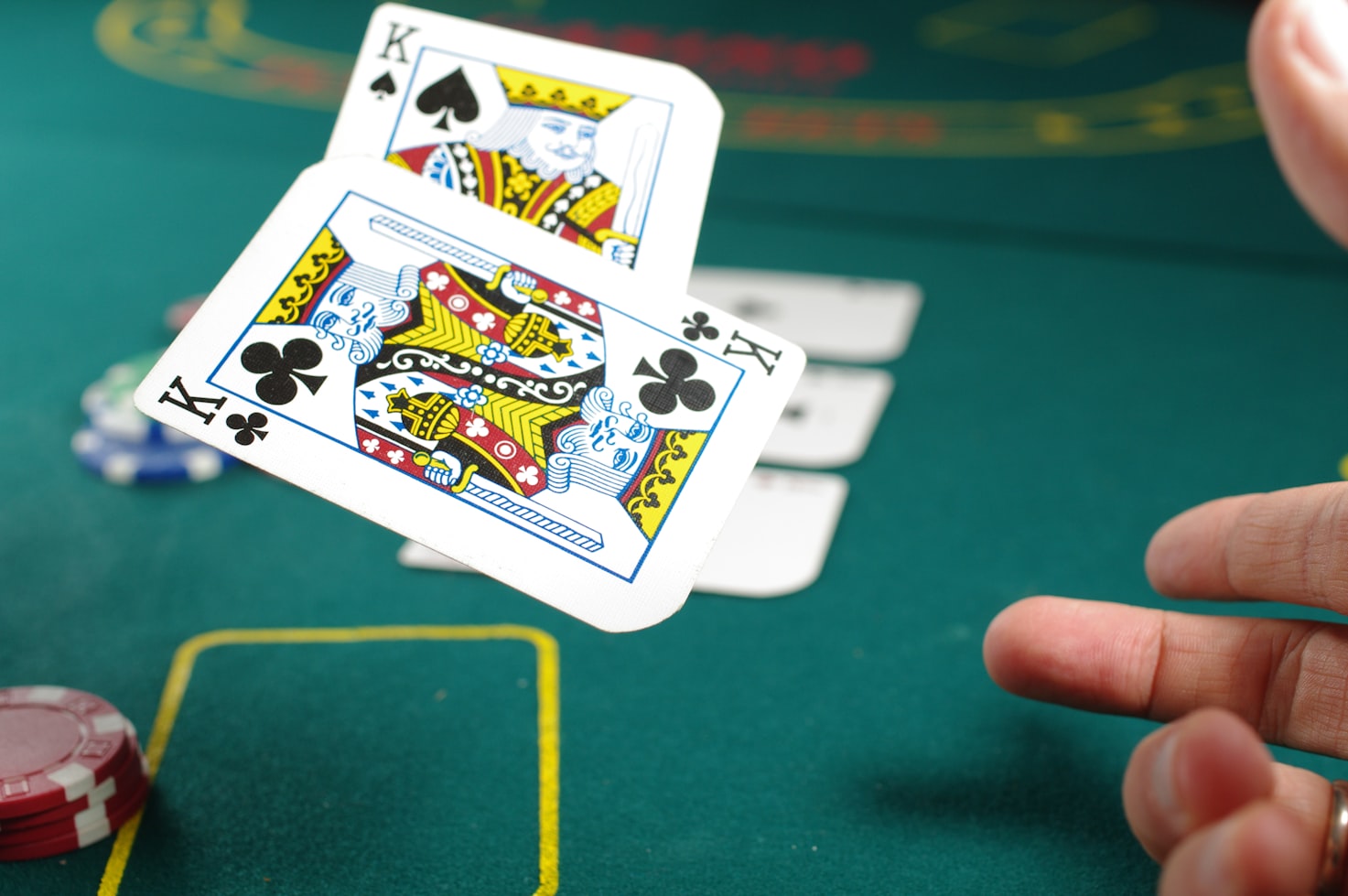
Archaeological evidence suggests that gambling practices were prevalent in diverse societies, including the Egyptians and Romans. The Romans, in particular, developed complex games involving bets on various outcomes, including gladiatorial contests. The social aspect of gambling was significant, as it often acted as a communal activity, reinforcing social bonds and hierarchies. With time, these rituals transitioned from spiritual significance to a more secular form of entertainment.
As these early forms of gambling spread across continents, different cultures adapted the practices to fit their own beliefs and traditions. In India, for example, gambling became associated with festivals, where games served as a means of celebration and community interaction. This historical context highlights how gambling has evolved from sacred rituals to a mainstream activity, showcasing the human fascination with chance and risk.
The Evolution of Gambling: From Simple Games to Complex Structures
The transition from ancient rituals to organized gambling systems marked a significant milestone in the history of gaming. During the Middle Ages, various forms of betting emerged, including card games and lotteries. The establishment of the first official lottery in the 15th century in Europe signified a shift towards a more structured approach to gambling. These developments paved the way for the creation of casinos in the 17th century, where people could come together to partake in various games of chance under one roof.
The advent of the printing press further contributed to the evolution of gambling by enabling the mass production of cards and other gaming materials. This accessibility helped to popularize gambling among the masses, leading to a greater acceptance of these activities in society. As gambling became commercialized, governments began to regulate it, recognizing the potential economic benefits. In places like Venice, the first official casinos were established, attracting a diverse crowd of players.
The 19th century saw the emergence of iconic games such as poker and roulette, both of which became mainstays in casinos worldwide. These games not only introduced new betting structures but also refined the psychological aspects of gambling, capturing players’ imaginations. As societies became more industrialized, gambling transformed from a local pastime into a global phenomenon, laying the foundation for the modern practices we see today.
The Psychology of Gambling: Understanding Motivation and Behavior
The psychology behind gambling is a complex interplay of risk, reward, and human behavior. Many scholars have explored what drives individuals to engage in gambling activities, often identifying thrill-seeking and the allure of winning as primary motivators. The anticipation of a potential win releases dopamine in the brain, creating a pleasurable experience that can lead to repeated gambling behavior. This psychological aspect explains why individuals often pursue gambling despite the risks involved.
Additionally, the concept of loss aversion plays a critical role in gambling psychology. Players are often more impacted by losses than by equivalent gains, which can lead to a cycle of chasing losses. This behavior is exacerbated by the environment in which gambling occurs, as many casinos are designed to enhance the excitement and prolong play. The use of sounds, lights, and other sensory stimuli creates a captivating atmosphere that can psychologically lure players into spending more time and money.
Understanding these psychological factors is crucial for both players and operators. While many enjoy gambling responsibly, others may struggle with problem gambling. This has led to increased awareness and the implementation of responsible gambling measures, aimed at helping individuals recognize their limits and seek help when necessary. The exploration of gambling psychology continues to evolve, shedding light on the intricate relationship between human behavior and chance.
The Digital Revolution: Online Gambling and its Impacts
The digital revolution has dramatically reshaped the gambling landscape, making it more accessible than ever before. Online casinos and betting platforms have revolutionized the way people engage with gambling, allowing players to place bets from the comfort of their homes. This convenience has attracted a new generation of gamblers, significantly increasing the industry’s size and reach. The proliferation of smartphones further facilitated this trend, enabling real-time gambling on the go.
With the rise of online gambling came a host of innovations, including live dealer games and virtual reality casinos that aim to replicate the physical casino experience. These advancements not only enhance user engagement but also raise questions about responsible gaming and addiction. Online platforms often incorporate features such as self-exclusion and limits to mitigate risk, but the sheer volume of available games and betting options can still lead to problematic behaviors.
Moreover, the global nature of online gambling has introduced regulatory challenges. Different countries have varying laws governing online betting, leading to a patchwork of regulations. As the industry continues to evolve, it is essential for both players and operators to navigate these legal landscapes carefully. The rise of online gambling represents a significant chapter in the ongoing story of gambling, blending traditional practices with innovative technologies and new social dynamics.
The Future of Gambling: Trends and Innovations
The future of gambling is poised for continued transformation as technology advances and societal attitudes evolve. Innovations such as blockchain technology are beginning to make their mark on the industry, offering enhanced transparency and security for online transactions. Cryptocurrencies are also gaining popularity as a payment method, attracting tech-savvy players and providing anonymity in gambling activities. These trends suggest that the gambling landscape will continue to diversify and expand.
Moreover, the focus on responsible gambling is likely to grow, with more platforms implementing tools to help players maintain control over their gambling habits. The integration of artificial intelligence in identifying problem gambling behaviors is on the rise, allowing operators to intervene proactively and support users effectively. This approach reflects a broader societal shift towards promoting well-being and responsible entertainment.
As gambling continues to intertwine with technological advancements, the industry must also address ethical considerations, particularly regarding addiction and accessibility. Ongoing dialogue among stakeholders, including regulators, operators, and players, is crucial for creating a balanced gambling environment. The fascinating journey of gambling thus continues, reflecting humanity’s enduring fascination with risk, chance, and the thrill of the game.